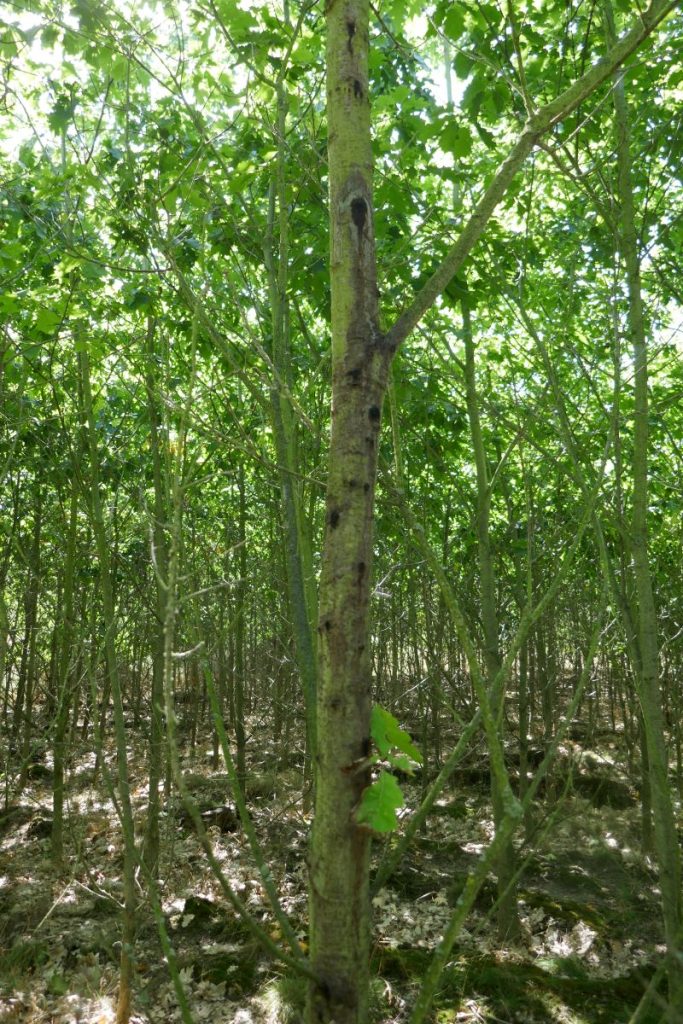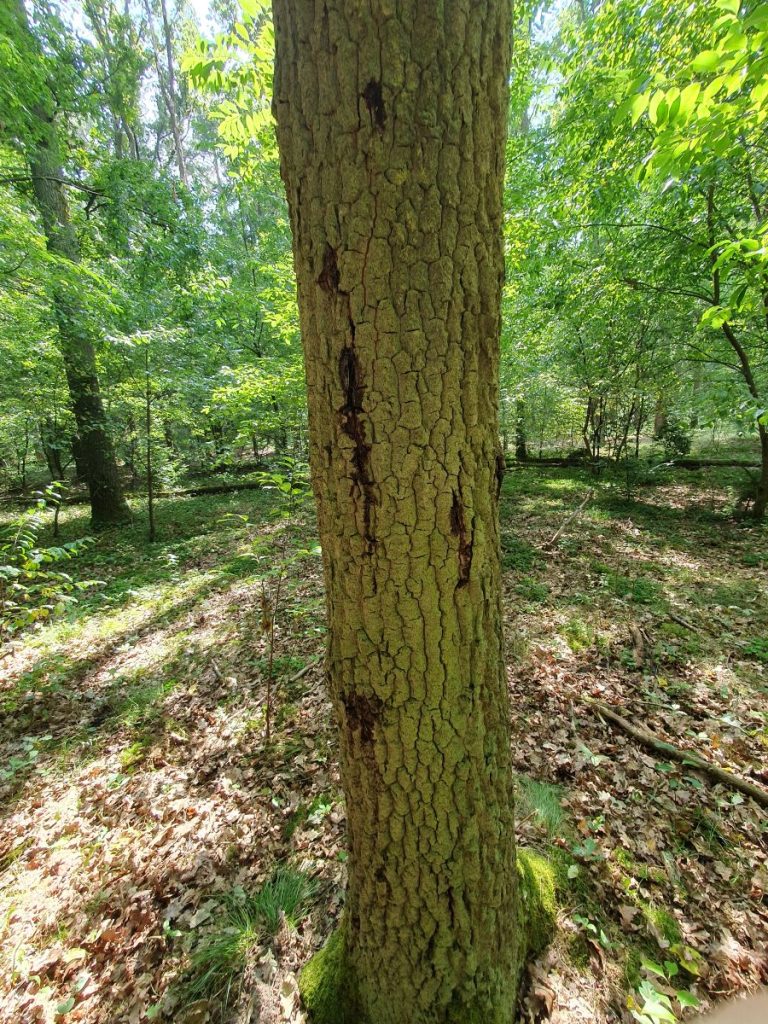
Acute oak decline (AOD) has recently been detected in several regions of Germany. Although the disease is known to be associated with bacteria, particularly Brenneria goodwinii, Rahnella victoriana and Gibbsiella quercinecans, the epidemiology of AOD and the factors driving its occurrence and spread remain poorly understood.
The new AOD-Risk project aims to address these knowledge gaps, improving our understanding of the distribution, epidemiology and risk potential of AOD in Germany. The project, funded by the German Federal Ministry of Agriculture, Food and Regional Identity, was launched in 2026.
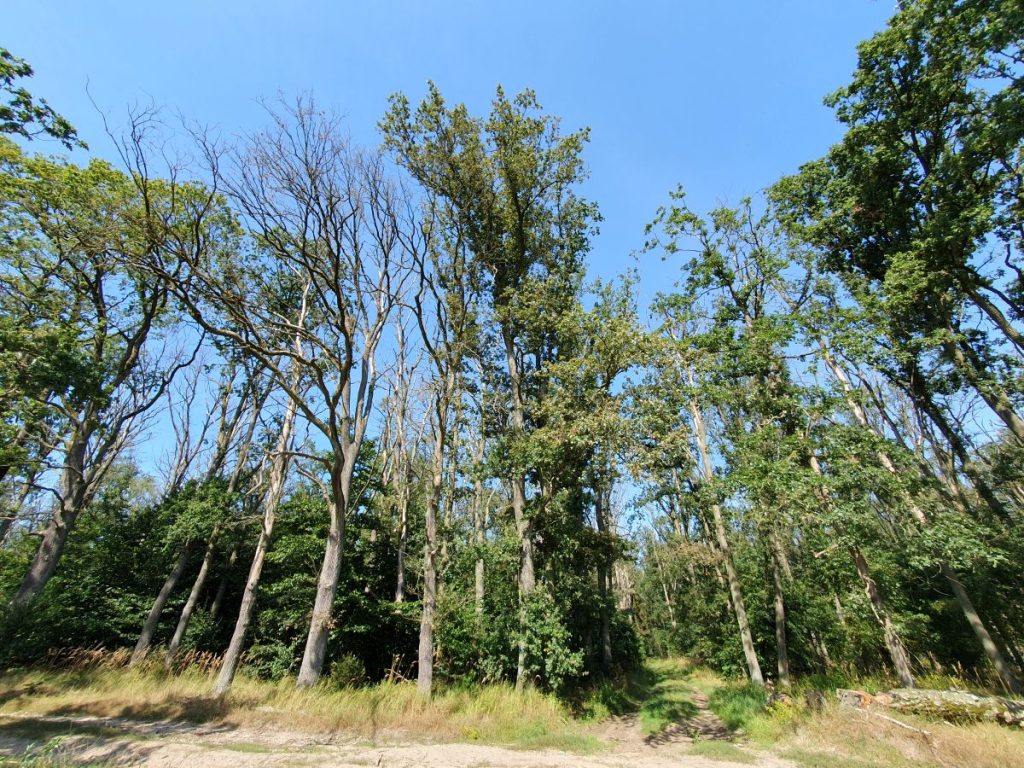
A comprehensive study of the risks of AOD
AOD-Risk will combine nationwide mapping of AOD with investigations of environmental and site-related factors that may favour disease development. The project will characterise the diversity and virulence of AOD-associated bacteria and fungi, providing new insights into their epidemiological relationships and potential pathways of spread.
Another focus is the role of insects. While AOD-associated bacteria have recently been detected in several oak-associated beetle species, such findings do not by themselves demonstrate vector function. AOD-Risk will investigate whether oak-associated insects may contribute to the dissemination of AOD-associated bacteria and, if so, which insect taxa may be involved. We are particularly interested in the mobile life-stages which may facilitate bacterial transfer between trees.
Finally, pathogenicity experiments will investigate interactions among AOD-associated microorganisms and their contribution to symptom development. The combined results will provide the basis for a pest risk assessment and the development of practical management recommendations for AOD in oak forests.
Find out more
If you are interested, please also visit our AOD-Risk project page and read this news article.
The project team includes Frederik Stein, Gritta Schrader, Björn Hoppe, and Matthias Becker at the Julius Kühn‐Institut (JKI), Michael Kube and Erdem Grossmann of University of Hohenheim, and Steffen Bien, and Gitta Jutta Langer from the Northwest German Forest Research Institute (NW‐FVA).